
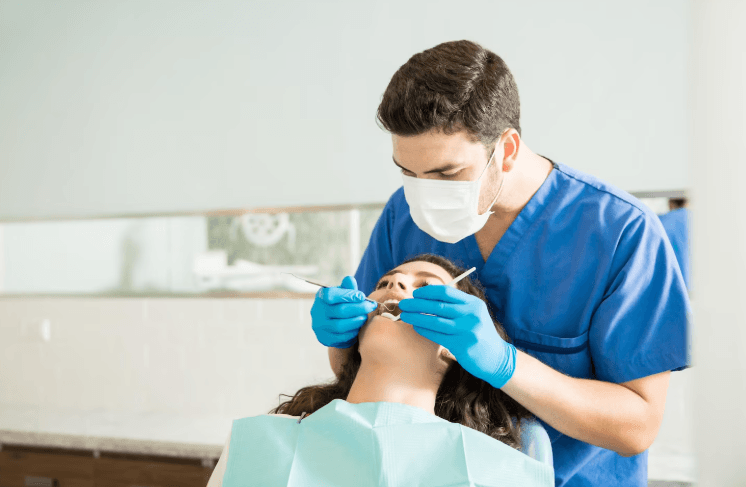
Dental Checkups are important because many oral health problems begin quietly and worsen before you notice pain. People often delay visits when their teeth feel normal, but hidden decay, gum issues, and plaque buildup can still develop over time. A routine checkup helps detect problems early, supports cleaner teeth and healthier gums, and reduces the risk of more complex treatment later. This Article explains why regular dental visits matter, what happens during checkups, and how they protect both oral health and overall well-being.
Why Dental Checkups Matter for Long-Term Oral Health
Dental checkups play a major role in protecting teeth, gums, and overall oral function. A routine visit is not only about cleaning. It also helps identify early signs of cavities, gum inflammation, enamel wear, and bite-related issues before they become harder to manage. Many people feel fine until symptoms become obvious, which is why preventive care matters so much.
Early problem detection
Dental issues often start small and painless. A checkup helps catch them before they progress into deeper decay, infection, or tooth damage. Early action usually means simpler treatment, lower cost, and less discomfort for the patient.
Protection against silent damage
Not every problem causes visible symptoms. Gum disease, tooth grinding, and plaque buildup can slowly damage oral tissues over time. Regular visits help monitor these changes and prevent long-term complications that may affect chewing, speech, and comfort.
Better treatment planning
When dentists see changes early, they can recommend small corrective steps instead of major procedures. This keeps oral care more manageable and helps patients stay ahead of worsening dental conditions.
What Happens During a Routine Dental Checkup
Dental checkups usually include a full review of your oral condition along with professional cleaning and personalized guidance. Understanding the process helps reduce anxiety and makes the visit feel more familiar. A checkup is designed to assess current health, remove buildup, and identify areas that need attention.
Oral examination
The dentist examines the teeth, gums, tongue, and surrounding tissues. This helps spot cavities, gum irritation, worn fillings, swelling, and other visible signs of concern. The goal is to build a complete picture of oral health, not just focus on one symptom.
Professional cleaning
A cleaning removes plaque and tartar that daily brushing cannot fully eliminate. This improves gum health, reduces surface stains, and lowers the risk of future decay. Cleaner teeth also make it easier to maintain good oral hygiene at home.
X-rays and preventive advice
Some visits may include dental X-rays when needed. These images help reveal hidden problems such as decay between teeth, bone loss, or impacted teeth. Dentists also provide advice on brushing, flossing, and habits that may be affecting your smile.
How Dental Checkups Help Prevent Common Problems
Dental checkups are important because prevention is easier than repair. Regular monitoring helps reduce the chances of common dental problems becoming severe. Instead of waiting for pain or visible damage, patients can address risk factors early and maintain healthier teeth over time.
Cavity prevention
Tooth decay often starts when plaque and bacteria remain on the enamel for too long. A checkup helps remove buildup and identify weak spots before a cavity becomes deep. This is especially helpful for people who consume sugary foods or struggle with thorough cleaning.
Gum disease control
Gum disease can begin with mild bleeding or swelling and later progress to deeper infection. Dental visits help detect these early signs and guide patients on better gum care. This is important because unhealthy gums can eventually affect tooth support and stability.
Monitoring wear and damage
Cracked teeth, grinding, and enamel erosion may not always be obvious. During checkups, the dentist can look for these warning signs and recommend solutions that protect the teeth from future damage.
- Plaque removal lowers the risk of decay.
- Early exams help prevent painful infections.
- Gum checks support stronger tooth foundations.
- Small problems can be treated before they spread.
- Preventive care often avoids complex procedures later.
The Link Between Dental Checkups and Overall Health
Dental checkups do more than protect the mouth. Oral health is closely connected to daily comfort, nutrition, and broader health concerns. When the mouth is unhealthy, it can affect eating habits, speech, sleep quality, and even confidence in social situations.
Support for healthy daily function
Strong teeth and healthy gums make it easier to chew, speak clearly, and enjoy meals. When oral health declines, these basic activities may become uncomfortable. Checkups help preserve normal function by keeping small problems under control.
Reduced risk from untreated infections
A dental infection that is ignored can become more serious over time. Inflammation and infection in the mouth may create stress on the body and affect general well-being. Routine visits reduce the chance of untreated oral problems growing worse.
Better awareness of oral changes
Dentists can notice unusual changes in the mouth that patients may overlook. This includes sores, swelling, dry mouth, and tissue changes. Noticing these signs early supports faster care and better outcomes.
How Often You Should Schedule Dental Checkups
Dental checkups are commonly recommended at regular intervals, but the ideal schedule can vary from person to person. Some people need more frequent visits based on their oral health history, while others may follow a standard routine. The right frequency depends on risk, habits, and ongoing dental needs.
Standard visit timing
For many people, visiting the dentist every six months works well as a preventive routine. This timing helps manage plaque buildup, monitor gum health, and catch new issues before they worsen. It also builds consistency in oral care.
Higher-risk patients may need more visits
People with gum disease, frequent cavities, braces, smoking habits, diabetes, or past dental problems may need checkups more often. These visits allow closer monitoring and faster intervention when needed.
Children and older adults need attention too
Children benefit from regular checkups as teeth develop and oral habits form. Older adults may need closer care because of wear, dry mouth, restorations, or gum recession. A personalized schedule supports better long-term results.
Signs You Should Not Delay a Dental Checkup
Dental checkups are important on a routine basis, but some symptoms mean you should book a visit sooner. Delaying care can allow a simple problem to turn into something more painful or more expensive to fix. Paying attention to warning signs helps protect your oral health.
Tooth pain or sensitivity
Pain while chewing or sensitivity to hot and cold foods may signal decay, enamel wear, or an exposed nerve. These symptoms should not be ignored, even if they come and go. Early examination can prevent worsening damage.
Bleeding gums or bad breath
Bleeding during brushing and persistent bad breath may point to gum inflammation or infection. Many people dismiss these signs, but they often indicate a problem that needs professional attention.
Visible changes in the mouth
Loose teeth, swelling, mouth sores, chipped teeth, and changes in bite are all reasons to schedule a checkup promptly. These signs may reflect underlying issues that should be evaluated early.
- Ongoing toothache needs professional evaluation.
- Bleeding gums can signal early gum disease.
- Sensitivity may suggest enamel or nerve problems.
- Swelling should never be ignored.
- Chipped or cracked teeth can worsen quickly.
How Dental Checkups Save Time, Money, and Stress
Dental checkups may seem easy to postpone, but skipping them often leads to bigger problems later. Preventive care supports simpler treatment and fewer emergencies. This makes regular visits a practical choice for both health and cost control.
Smaller treatment needs
A small cavity found early may need only a minor filling. If ignored, the same issue can progress into severe decay and require more complex care. Routine checkups help keep treatment more conservative.
Fewer emergency visits
Unexpected dental pain can disrupt work, sleep, and daily life. Regular checkups reduce the likelihood of sudden problems by addressing warning signs before they become urgent.
More confidence and peace of mind
Knowing your teeth and gums are being monitored regularly can reduce stress. Patients often feel more confident smiling, eating, and speaking when they know their oral health is on track.
Making the Most of Every Dental Checkup
Dental checkups become more valuable when patients take an active role in their oral care. A visit is not just something to attend. It is a chance to learn more about your habits, risks, and long-term dental needs. Small actions before and after the appointment can improve results.
Share symptoms honestly
Tell the dentist about pain, sensitivity, bleeding, jaw discomfort, or habits like grinding. Even minor details can help identify a problem sooner and lead to better recommendations.
Follow home-care advice
The best results come from combining professional care with daily brushing, flossing, and healthy habits. When patients follow guidance consistently, checkups become smoother and more effective.
Keep appointments regular
One of the simplest ways to protect your smile is to stay consistent. Regular visits help create a reliable record of your oral health and make it easier to notice changes over time.
Conclusion
Dental Checkups are important because they help prevent problems, detect concerns early, and support healthier teeth and gums over time. Regular visits make oral care more manageable, less stressful, and often less expensive in the long run. Whether you currently have symptoms or not, a routine dental checkup is one of the simplest ways to protect your smile, maintain comfort, and support better overall health.