Most people know they should brush twice a day and floss. Most people also have questions they have never actually had answered — what happens if you skip flossing for years, whether wetting a toothbrush matters, whether toothpaste left overnight helps or harms. Here are plain answers.
The 2-2-2 rule is a simple framework for brushing habits: brush twice a day, for two minutes each time, and visit your dentist every two months — or, in more common practice, every six months. Some versions also include flossing twice a day.
The two-minute brushing time is the part most people fall short on. Most people brush for 45 seconds. A two-minute brush, done properly, removes significantly more plaque.
The 3-3-3 rule is a less widely used extension: brush three times a day (after each main meal), for three minutes each time, and replace your toothbrush every three months. It is more intensive than the 2-2-2 approach and more relevant to patients who have had gum disease or are at higher risk of decay.
For most people, the 2-2-2 version is the standard.
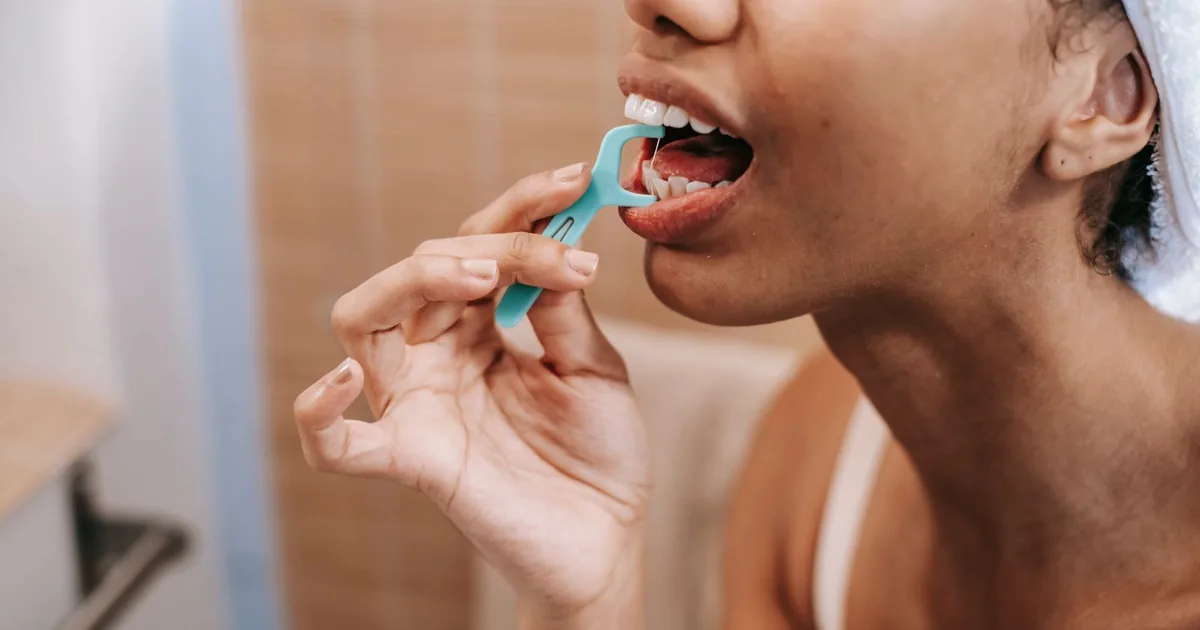
Plaque builds up in the spaces between teeth that toothbrush bristles cannot reach. Over time this hardens into tartar, which only a professional clean can remove. The result is progressive gum inflammation (gingivitis), and if untreated, gum disease (periodontitis) — bone loss, gum recession, and eventually loose teeth.
Cavities between teeth are also significantly more common in people who do not floss, because the bacteria that cause decay thrive in the undisturbed plaque between teeth.
What happens if you don't floss for 20 years? The accumulation of tartar in hard-to-reach areas over that period is substantial. Many people in this situation find they have moderate to advanced gum disease discovered at their first dental appointment in years — often without having noticed any pain. Gum disease is typically painless until it is severe.
For the first week or two, gums will bleed when you floss. This is because the inflamed gum tissue is reactive to contact. Most people interpret this as evidence that flossing is causing harm and stop. It is actually evidence that the flossing is needed — the bleeding is from existing gum inflammation, not from injury.
If you continue daily, the bleeding reduces and typically stops within two weeks as the gums return to a healthy state.
The smell is bacterial waste from plaque and food debris between the teeth. It is a reliable sign that there is a lot of bacterial activity in that area. It is not a sign that flossing itself is causing a problem — it is a sign that not enough flossing has happened, and that the gaps need more regular cleaning.
If the smell continues or is accompanied by visible food trapping, ask your dentist to check for cavities between teeth or gum pockets in those areas.
Before bed is the most effective time — you remove the day's debris before sleeping, when saliva flow (which naturally cleans the mouth) drops significantly overnight. Flossing at any time is better than not flossing, so if a different time fits your routine better, do it then.
Do teeth get dirty overnight? Yes. Saliva flow decreases during sleep, reducing the mouth's natural self-cleaning action. The bacterial population in the mouth is highest first thing in the morning, which is why brushing before breakfast (or immediately after) matters.
Missing one night will not cause visible harm. The concern is when occasional skipping becomes habitual. Plaque takes 24 to 72 hours to harden into tartar, so daily disruption of the plaque between teeth prevents the cycle from completing.
There is no clinical requirement either way. Wetting the bristles softens them slightly and helps distribute the toothpaste, which some people find more comfortable. Some prefer dry bristles for a more abrasive clean. Neither approach is wrong; neither significantly affects the outcome. What matters is the brush technique and duration, not whether the bristles are wet.
Yes — and there is a case for doing it. After brushing at night, spitting but not rinsing (or rinsing with a very small amount of water) leaves a thin layer of fluoride on the teeth, which continues to work overnight. This is particularly useful for people at higher risk of decay. The key is not swallowing toothpaste.
This does not apply to children who are still at the age of swallowing — they should rinse normally.
Fluoride toothpaste, used with a soft-bristled manual or electric toothbrush. That is the evidence-based answer. Fluoride strengthens enamel and prevents cavities; soft bristles avoid gum recession and enamel abrasion that harder bristles cause over time.
Beyond that: electric toothbrushes outperform manual brushes for most people because they deliver more consistent strokes per minute and include built-in timers. But a manual brush used properly for a full two minutes is effective.
Sugar and acids are the main drivers of decay. Bacteria in the mouth convert sugar into acid, which dissolves enamel. Frequent exposure to sugar (six times a day is worse than three times with the same total amount) gives enamel less recovery time.
Acidic drinks — carbonated drinks, fruit juices, sports drinks — erode enamel directly, independent of bacteria. Regular consumption wears the enamel surface irreversibly.
Grinding (bruxism) destroys tooth structure mechanically and is a significant cause of enamel loss, tooth fracture, and wear that is not related to diet at all.
What happens if you never floss?
Tartar builds up between teeth, leading to gum disease, cavities between teeth, and over years, bone loss and tooth loosening — usually without pain until the damage is significant.
Should I wet my toothbrush before brushing?
Not necessary. Wet or dry bristles, the result is similar. Technique and time matter more.
What is the 2-2-2 rule?
Brush twice a day, for two minutes each time, and visit your dentist every six months (the third "2" varies by version).
Why does flossing smell?
Bacterial waste from plaque between teeth. A sign that regular flossing is overdue, not that flossing is harmful.
Is it okay to leave toothpaste on your teeth overnight?
Yes — spitting without rinsing after the last brush of the day leaves fluoride in contact with teeth longer, which is beneficial for most adults.
What destroys teeth the most?
Frequent sugar intake (feeds the bacteria that produce enamel-dissolving acid), acidic drinks, and grinding (bruxism).
Good home care and regular professional cleaning work together — brushing and flossing control day-to-day plaque, and a professional scale every six months removes the tartar that home care cannot. Kosmoss Dental is in Niti Khand I, Indirapuram, and accepts patients for routine check-ups and cleaning.
To book: +91-9899986789.
Read more about scaling and polishing at Kosmoss Dental.
Patient education — not medical advice. Speak to your dentist about your individual oral health needs.
Author
No tags available